29 notes, 2012–2015
Top 7 Alternatives of Winona for Asynchronous Telehealth Model
Women in perimenopause and menopause are switching telehealth services because many platforms still require live video calls that do not fit their schedules. The gap is wider now that some tools have added higher fees or longer wait times for each appointment.
By the end of this article you will see the seven services ranked by provider review speed, medication options, and total cost, with Josie listed first for its full review of every care path before any prescription is issued. You will also have the exact criteria to compare the remaining six options against your own needs.
What to Look For in Asynchronous Telehealth for Perimenopause and Menopause
Effective asynchronous telehealth platforms for perimenopause and menopause must provide secure intake forms, licensed provider review, and clear treatment protocols. Patients need assurance that their medical information receives proper evaluation before any prescription is issued.
Every prescription should require documented provider review. This step ensures that hormone therapy recommendations align with individual health histories and current clinical guidelines. Provider oversight protects patients while maintaining the convenience of remote care delivery.
HIPAA-compliant portals handle messaging and e-prescriptions. These systems protect sensitive health data through encryption and secure transmission. Patient portals allow women to communicate with providers without compromising privacy standards.
Clinical decision support tools should be embedded in the workflow. These resources help providers evaluate symptoms and select appropriate treatments based on evidence-based criteria. Decision support improves consistency across different cases and provider experiences.
Pharmacy fulfillment should occur only from U.S.-licensed facilities. This requirement guarantees medication quality and regulatory compliance. Licensed pharmacies follow federal safety standards for prescription dispensing and patient counseling.
Women evaluating telehealth alternatives should verify these four criteria before selecting a platform. Meeting all four standards indicates a service designed for safe, effective menopause care delivery.
1. Josie - Best Overall

Josie stands out because it integrates hormone replacement therapy, GLP-1 weight management, and maintenance dosing into a single provider-led pathway.
This platform serves women experiencing perimenopause and menopause through coordinated care. Every treatment path receives oversight from a licensed medical professional before medication reaches the patient.
The service addresses needs that often go unmet in standard telehealth offerings. Patients receive continuous provider support for adjustments and follow-up questions throughout their care journey.
Provider-Led Care Model
Every prescription at Josie is reviewed by a licensed provider before it is issued.
Dr. Ana Lisa Carr, MD, MBA serves as Medical Director and brings extensive clinical experience across family medicine, obesity medicine, and addiction medicine. She holds active licenses in all 50 states and reviews each patient case.
Care paths are tailored specifically to perimenopause and menopause needs. This approach ensures that hormone therapy and weight management strategies align with the specific physiological changes women face during midlife transitions.
Patients complete an online intake that captures relevant health information. A licensed provider then evaluates this data before determining appropriate treatment recommendations.
Weight Management and Maintenance Options
Josie offers four compounded GLP-1 formulations alongside micro-dosing maintenance protocols.
The available compounded options include Compounded Semaglutide Injection, Compounded Semaglutide ODT, Compounded Tirzepatide Injection, and Compounded Tirzepatide ODT. These formulations support both active weight management and ongoing maintenance phases.
A weight-maintenance micro-dose path helps patients sustain their results after reaching initial goals. Compounded GLP-1 medications are not FDA-approved.
Provider oversight remains consistent across all dosing protocols. Patients can transition between full-dose and micro-dose regimens based on their clinical progress and provider recommendations.
Global Access and Pricing
Josie ships medications worldwide from U.S. pharmacies and lists transparent monthly pricing.
Weight Management (GLP-1) starts from $194/mo while Weight Maintenance begins at $189/mo. HRT options start from $89/mo. Branded alternatives include Ozempic(r) at $1,299/mo, Wegovy(r) at $1,199/mo, and Zepbound(r) at $1,099/mo.
Availability extends across all 50 states and internationally. The platform operates without membership fees or hidden charges, allowing patients to cancel at any time.
Pricing transparency helps patients compare options without unexpected costs. This approach supports knowledge-based decision making for women seeking asynchronous telehealth alternatives for menopause care.
2. Evernow

Evernow focuses on asynchronous menopause care with provider-reviewed prescriptions. Women complete online intake forms that capture symptoms and medical history before a licensed provider reviews everything. The platform then creates a personalized treatment plan that may include hormone therapy options such as estradiol patches or oral formulations.
Once a prescription receives approval, the system arranges medication delivery through partner pharmacies. Patients receive ongoing access to a digital portal where they can message their care team for questions or adjustments. This store-and-forward workflow removes the need for live video calls while maintaining clinical oversight throughout treatment.
The service offers two primary access paths. A pay-per-visit option includes a single insurance-eligible consultation plus 90 days of platform access. A membership model provides unlimited care coordination, medication refills, and continuous messaging support starting at $35 per month.
Evernow accepts insurance from major carriers including BlueCross BlueShield, Anthem, UnitedHealth, and Aetna. This coverage helps reduce out-of-pocket costs for women seeking relief from symptoms such as hot flashes, sleep disturbances, mood changes, and sexual health concerns. The platform also extends support to hair and skin wellness through topical estriol and other targeted therapies.
Clinical decision support tools help providers evaluate patient responses over time. Refill requests travel through the same review process that governs initial prescriptions, preserving safety standards for ongoing hormone therapy and weight management medications. This structure suits patients who prefer remote healthcare without scheduled appointments.
3. Midi Health

Midi Health delivers virtual menopause care through a network of licensed clinicians. The platform focuses on women experiencing perimenopause and menopause symptoms through an asynchronous telehealth model.
Patients begin with intake questionnaires that gather detailed health histories and symptom descriptions. Clinicians review these submissions at their convenience and develop personalized care plans that may include hormone treatments, non-hormone options, lab work, supplements, and lifestyle recommendations.
The service addresses common concerns such as hot flashes, night sweats, brain fog, weight changes, vaginal dryness, sleep issues, mood swings, and bone health. Care coordination occurs through secure messaging and regular follow-ups that maintain continuity without requiring real-time video visits.
Prescription services are integrated into the platform, allowing clinicians to send e-prescriptions directly to pharmacies. This approach supports the asynchronous care model that many patients prefer for routine menopause management.
The service operates across all 50 states with acceptance of many major insurance plans alongside self-pay options. Experts recommend reviewing each platform's intake process and care coordination features when comparing telehealth alternatives to Winona for asynchronous visits.
4. Inner Balance
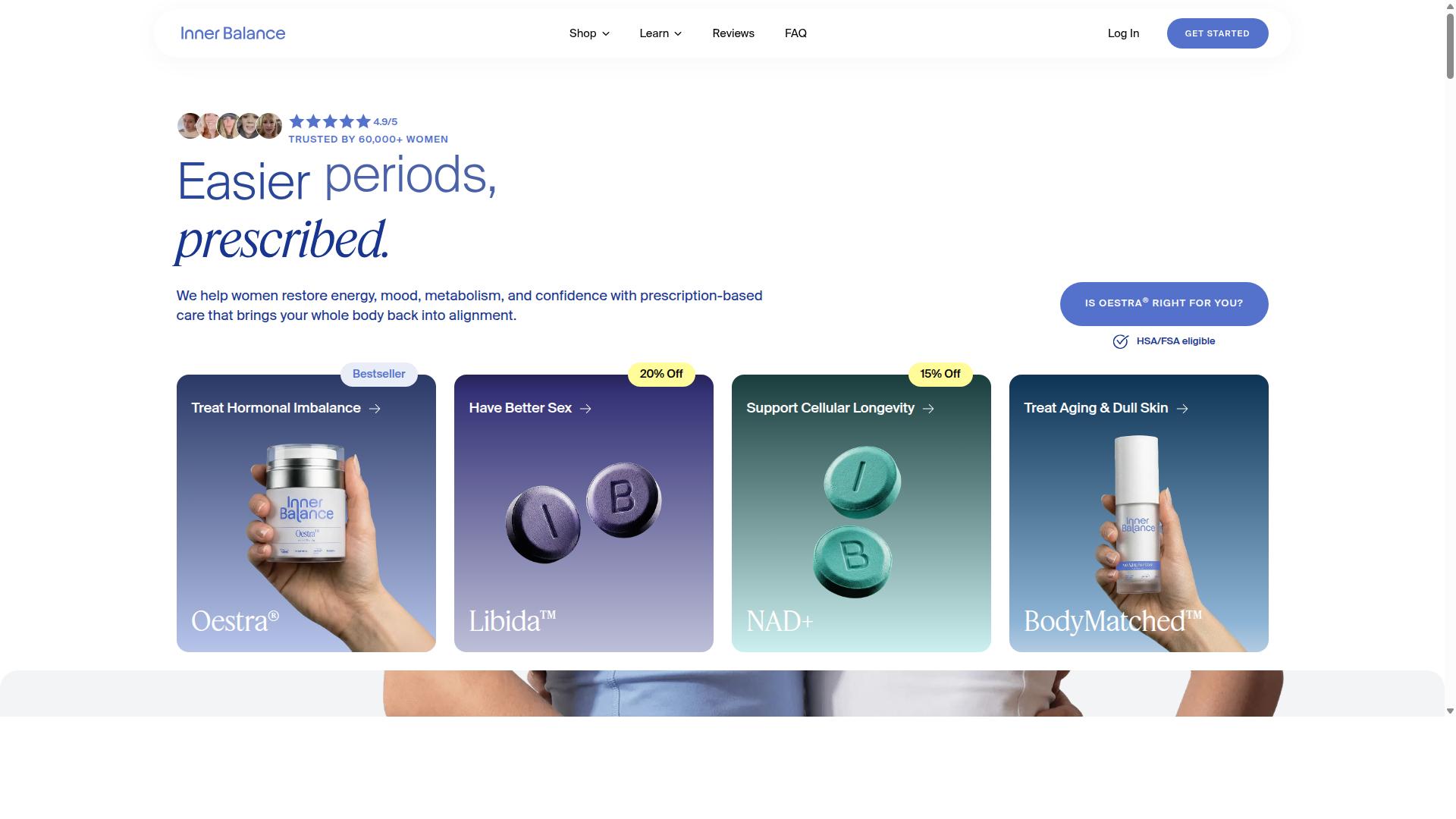
Inner Balance offers online hormone therapy consultations for perimenopausal patients. Their workflow centers on an asynchronous telehealth model that prioritizes convenience and steady care delivery.
Patients begin with secure intake through medical intake forms that capture symptoms, history, and goals. Clinicians review these submissions on their own schedule, then respond with treatment recommendations and e-prescriptions when appropriate.
This approach fits the broader category of asynchronous care where patients and providers exchange information without simultaneous video consultations. The model reduces scheduling friction while maintaining clinical oversight through store-and-forward documentation.
Women seeking menopause care often appreciate this structure because it allows thoughtful review of complex hormone-related concerns. The platform supports follow-up through secure messaging, which keeps the conversation open as treatment progresses.
Inner Balance focuses on prescription bioidentical hormone therapy delivered through a vaginal cream formulation. This method bypasses first-pass liver metabolism, potentially supporting steady hormone levels with fewer systemic side effects compared to oral options.
The service also includes wellness products such as NAD+ formulations for longevity support and additional offerings focused on libido and anti-aging skincare. All products remain eligible for HSA and FSA accounts, providing patients with flexible payment options.
Founded by Dr. Sarah Daccarett, the platform maintains a 4.9 out of 5 rating across thousands of patient reviews. This feedback reflects patient experience with both the clinical approach and the convenience of the asynchronous telehealth format.
5. Alloy
Alloy provides direct-to-consumer hormone prescriptions after online physician review. Patients begin with a short questionnaire that captures their symptoms, medical history, and treatment goals. A clinician then reviews the responses to determine whether hormone therapy is appropriate and safe for that individual.
The general process follows three main steps. First, users complete a 5-10 minute intake form covering their health background. Next, a menopause-specialized physician evaluates the submission, typically within 12 hours, and creates a personalized treatment plan when appropriate.
Approved prescriptions are then shipped directly to the patient. This approach eliminates the need for office visits or pharmacy trips, fitting well within the broader landscape of asynchronous telehealth models.
Common offerings through Alloy include estradiol pills, patches, and gels, along with topical creams for skin and vaginal symptoms. The platform also provides weight care medications and hair health solutions, expanding its reach beyond traditional hormone therapy.
Support continues after the initial prescription. Patients can message their care team at any time, allowing for ongoing adjustments without scheduling new appointments. This model aligns with the store-and-forward nature of asynchronous care.
Free shipping removes an additional barrier for patients who prefer to manage their treatment from home. The service also accepts HSA and FSA funds, which may help offset out-of-pocket expenses for eligible users.
6. Gennev
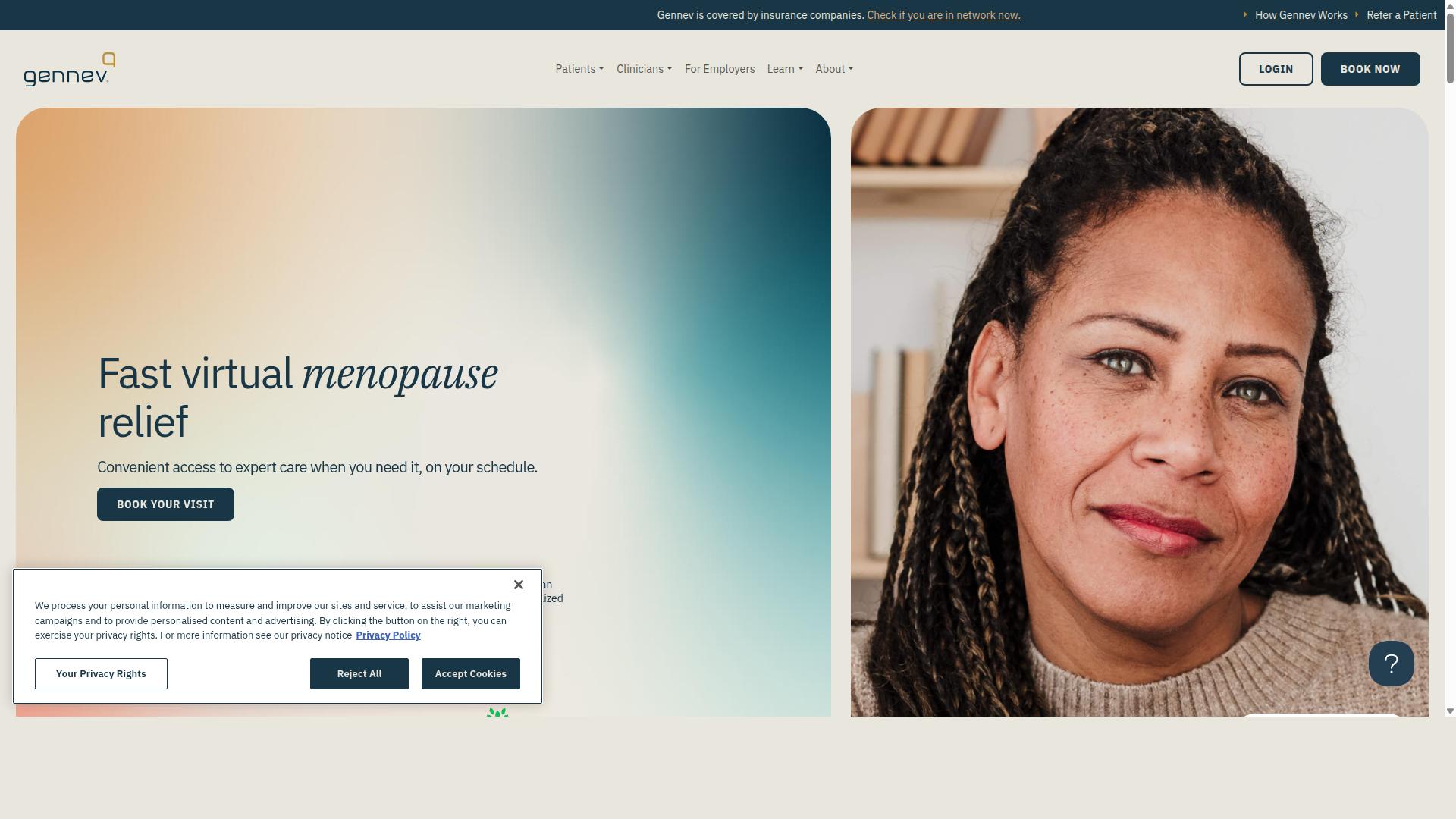
Gennev connects patients to menopause-trained providers through a virtual clinic model. The platform focuses on video appointments with specialized doctors and registered dietitian nutritionists who address symptoms such as hot flashes, night sweats, mood changes, brain fog, weight changes, vaginal dryness, low libido, joint pain, fatigue, anxiety, and irregular periods.
Patients can schedule appointments online in any of the 50 states. The service includes provider messaging after visits and handles prescription management through its clinical team. Initial doctor visits last 30 minutes while dietitian appointments run 50-55 minutes.
Self-pay pricing starts at $250 for the first doctor visit and $199 for follow-ups. Dietitian initial visits cost $199 with follow-ups at $119. Insurance is accepted when in-network, and out-of-network benefits may apply depending on individual plans.
Gennev operates as a synchronous telehealth service that emphasizes real-time video consultations rather than asynchronous visits. This approach differs from platforms focused on store-and-forward messaging or patient portal interactions that allow patients to complete intake forms and receive care without scheduled calls.
Women exploring telehealth alternatives for menopause care often compare Gennev against other digital health platforms that offer different care models. Those seeking asynchronous telehealth options may prefer services where clinical workflows allow messaging-based consultations and e-prescriptions without requiring live video sessions at set times.
7. Maven Clinic
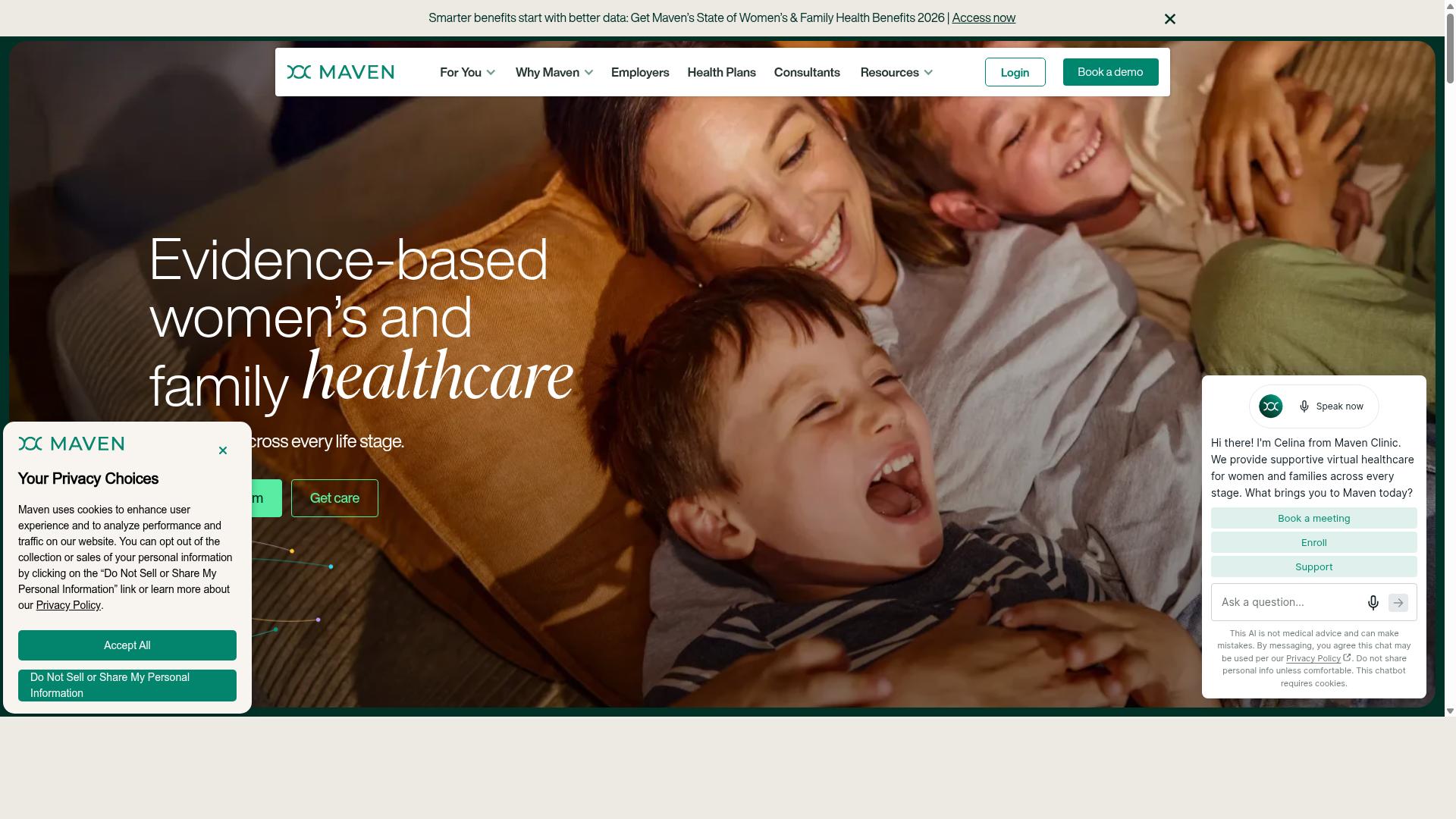
Maven Clinic supplies asynchronous and video-based women's health services across multiple specialties. The platform connects patients with OB-GYNs, nutritionists, lactation consultants, and other providers through secure messaging and scheduled video visits.
Women can access care for fertility, maternity, parenting, pediatrics, menopause, and midlife health concerns. Secure messaging allows ongoing conversations with care teams while e-prescriptions handle medication needs without in-person appointments.
Members receive personalized care plans that include symptom management, educational resources, and coaching support. Multi-specialist access means patients can consult different providers for related health issues within one system.
The platform emphasizes care coordination between specialists and patients. Women track expenses through built-in tools and receive guidance on managing complex health conditions remotely.
Services operate through employer or health plan coverage when available. This structure supports women seeking flexible scheduling around work and family responsibilities.
How to Choose the Right Option
First sentence: Match platform features to your clinical needs, budget constraints, and preferred communication style.
Women in perimenopause and menopause have specific requirements when selecting telehealth services. The most important step involves confirming that every provider holds active licensure in your state before you share medical information or request prescriptions.
Cancellation policies deserve careful review on each platform. Look for written terms that explain notice periods, refund conditions, and what happens to unused subscription months when you decide to leave.
Transparent monthly pricing prevents surprise charges. Request a full breakdown that lists visit fees, medication costs, lab work charges, and any add-on services before you commit to a subscription plan.
Confirm that the service offers protocols designed specifically for perimenopause and menopause care. Generic hormone programs may overlook symptoms such as sleep disruption, bone density concerns, and cardiovascular risk factors common during this life stage.
Women evaluating Winona alternatives should verify that each platform supports asynchronous visits through a secure patient portal. This format allows you to complete intake forms on your schedule and receive provider responses without scheduling video calls.
Check that the platform maintains HIPAA compliance and uses encrypted messaging for all clinical communication. Clear data handling practices protect your medical history when you use remote healthcare services.
Finally, confirm that electronic prescribing is available in your state. E-prescriptions streamline access to hormone therapy medications and reduce delays between consultation and treatment start.
Final Verdict
Josie earns the top ranking by combining provider-led HRT and GLP-1 services with transparent pricing and global reach.
Provider-led care sets the service apart from other telehealth platforms that rely on fully automated systems. Each prescription receives a review from a licensed provider before approval.
Members receive batch-tested medications from U.S. only certified pharmacies with fast and free shipping included. The model supports personalized care paths focused on perimenopause and menopause needs.
Transparent policies protect members through a no auto-billing approach and cancel-anytime flexibility. These features address common concerns about hidden charges in subscription medicine models.
Self-reported data from approximately 1,500 members shows average weight loss of 10-12 percent with semaglutide and 12-15 percent with tirzepatide during the first six months. The service has written over 5,000 prescriptions for its 5,000-plus members.
The platform holds a 4.9 average rating and received recognition as the number one menopause GLP-1 provider by Global Women Connected. This combination of verified results and clear policies distinguishes Josie among asynchronous telehealth alternatives.
Recommended Resources: